Why Akshaye Khanna Said He Could Never Play Vinod Khanna in a Biopic
The spotlight has once again turned to Bollywood actor Akshaye Khanna following his powerhouse performance in the 2025 blockbuster Dhurandhar. As fans draw comparisons between his viral dance sequence and his late father Vinod Khanna’s iconic moves from 1989, a resurfaced interview reveals the actor’s surprising confession about physical resemblance and the weight of carrying a legendary surname.
Akshaye Khanna’s Honest Admission About Physical Resemblance
In a revealing 2017 interview with IANS following the release of Mom, Akshaye Khanna made a statement that surprised many. When questioned about potentially playing his father in a biographical film, the actor was unequivocal in his response.
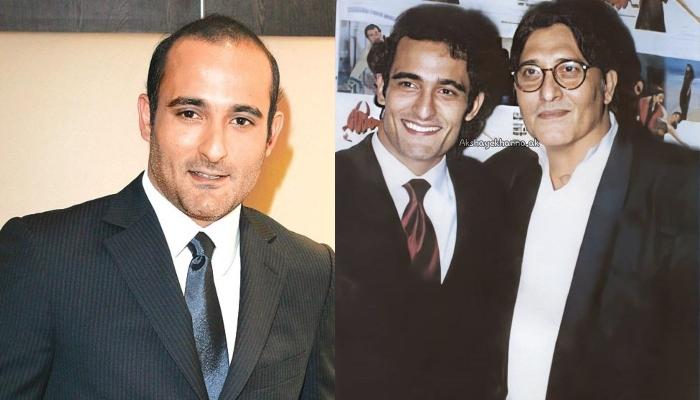
According to India TV News, Akshaye stated that portraying any real-life character requires physical resemblance, and he felt he didn’t share his father’s distinctive features. The actor emphasized that accuracy is crucial for biopics, especially when depicting someone as iconic as Vinod Khanna, who passed away in April 2017 at age 70 after battling cancer.
This candid admission offers insight into Akshaye’s self-perception and his understanding of the challenges inherent in portraying real-life figures on screen. For an actor who has built a career on versatility and authenticity, the acknowledgment that some roles remain out of reach demonstrates both humility and professional awareness.
The Overwhelming Screen Presence of Vinod Khanna
Beyond physical appearance, Akshaye has spoken extensively about the intimidating experience of working alongside his father. Despite making his debut in Himalay Putra (1997) alongside Vinod Khanna, the younger actor revealed in a 2008 interview that the experience was “terrifying.”
As reported by Bollywood Hungama, Akshaye described his father’s commanding screen presence as virtually unmatchable. He placed Vinod Khanna in the same category as Amitabh Bachchan, stating that sharing the frame with such actors confidently is nearly impossible. The actor acknowledged that while screen presence is an innate quality, he simply doesn’t possess the same level of magnetic charisma that made his father a superstar.
This revelation provides context for why Akshaye only worked with his father once in his entire career. The struggle to establish his own identity separate from “Vinod Khanna’s son” has been a consistent theme throughout his professional journey.
Dhurandhar’s Viral Moment: An Unintentional Tribute to Vinod Khanna
Ironically, despite Akshaye’s statements about not resembling his father, his performance in Dhurandhar has sparked widespread comparisons between father and son. The actor’s entry scene as gangster Rehman Dakait, featuring an improvised dance to the track “FA9LA” by Gulf-based artist Flipperachi, has become a viral sensation.
According to Oneindia, fans discovered a 1989 video of Vinod Khanna performing strikingly similar dance moves at a charity concert in Lahore alongside actress Rekha and cricket legends Imran Khan and Javed Miandad. The shoulder-driven groove, calm smile, and effortless rhythm appear remarkably similar across both clips.
What makes this comparison even more fascinating is that Akshaye’s co-star Danish Pandor revealed to Filmygyan that the FA9LA sequence was entirely unscripted and improvised. If the movements truly came from instinct rather than conscious choreography, it suggests that some traits genuinely transcend generations, regardless of conscious acknowledgment.
The Mirror Moment: Reminded of Vinod Khanna
Adding another layer to this complex father-son narrative, Akshaye’s stylist and prosthetic designer Preetisheel Singh shared a poignant moment from the Dhurandhar costume trials. As reported by BollywoodShaadis, when Akshaye looked at himself in the mirror wearing soft waves and a receding hairline for his character, he immediately thought of his late father.
Singh, who also designed Akshaye’s look as Aurangzeb in Chhaava, explained that she wanted to capture a suaveness where mere presence commands attention. The emotional resonance of seeing his father’s reflection in his own features during that trial adds depth to Akshaye’s earlier statements about resemblance. Perhaps the connection between father and son exists in ways beyond conscious recognition.
The Legacy Challenge: Creating an Independent Identity
Throughout his career, Akshaye Khanna has maintained a deliberate distance from his father’s shadow while acknowledging the influence that shaped his career choice. In a 2011 interview, he admitted that growing up on film sets and witnessing his father’s success naturally directed him toward acting as a profession.
However, as noted by Koimoi, Akshaye has been transparent about the constant struggle of moving beyond being known primarily as “Vinod Khanna’s son.” This tension between heritage and individuality has defined much of his professional identity.
Vinod Khanna’s career included iconic films like Amar Akbar Anthony, Muqaddar Ka Sikandar, Qurbani, and Hera Pheri. His combination of rugged good looks, physical presence, and screen magnetism made him one of Bollywood’s most celebrated leading men. For Akshaye, following such footsteps while carving his own path required both courage and clear-eyed self-assessment.
Akshaye Khanna’s Distinguished Career Path
Rather than attempting to replicate his father’s style, Akshaye has built a reputation for versatility and nuanced performances. His career highlights include:
- Border (1997): His breakthrough role as Lt. Dharamvir Singh Bhan earned him the Filmfare Award for Best Male Debut
- Dil Chahta Hai (2001): Won him the Filmfare Award for Best Supporting Actor and is considered a career-defining performance
- Gandhi, My Father (2007): A critically acclaimed portrayal of Harilal Gandhi showcasing his dramatic range
- Race (2008): Demonstrated his ability in commercial thrillers
- Section 375 (2019): A powerful performance in a courtroom drama
- Drishyam 2 (2022): Named among the best performances of 2022 by The New Indian Express
- Chhaava (2025): His portrayal of Aurangzeb received widespread acclaim
- Dhurandhar (2025): His role as Rehman Dakait has become a cultural phenomenon
Unlike typical Bollywood leading men, Akshaye has embraced character roles and avoided being typecast. Industry peers like Shah Rukh Khan have praised his acting abilities, while Richa Chadda has called him an “underrated actor” with brilliant intelligence.
The Reclusive Nature of Akshaye Khanna
Part of what distinguishes Akshaye from his contemporaries is his deliberate privacy. As Bollywood Hungama reports, he once stated that he sees no point in talking about himself unnecessarily and doesn’t consider himself a high-profile person.
This approach stands in stark contrast to the social media-driven celebrity culture of contemporary Bollywood. Akshaye has consistently avoided the party circuit, maintains no social media presence, and grants interviews sparingly. He has described himself as a “director’s actor” who keeps his personal life entirely private.
Even his stance on marriage reflects this independent streak. He has stated he doesn’t believe in the institution of marriage, viewing it as merely a legal document with unnecessary government involvement in personal relationships.
The Vinod Khanna Legacy: Beyond Physical Resemblance
Vinod Khanna’s impact on Indian cinema extended beyond his film roles. He was also a politician who served as Minister of State for External Affairs and represented the Gurdaspur constituency in Punjab. His spiritual journey, including time spent at the Osho ashram in Oregon, added another dimension to his public persona.
Born in 1946, Vinod Khanna was married to Geetanjali, with whom he had sons Rahul and Akshaye, before later marrying Kavita Daftary and having two more children. His death from bladder cancer in 2017 marked the end of an era in Bollywood, with the industry mourning the loss of one of its most charismatic stars.
The late actor was posthumously honored with the Dadasaheb Phalke Award, recognizing his extraordinary contribution to Indian cinema over a career spanning five decades.
2025: Akshaye Khanna’s Banner Year
The convergence of Chhaava and Dhurandhar has made 2025 a defining year for Akshaye Khanna. Social media platforms have been flooded with appreciation for his performances, with fans declaring him the “actor of the year.”
His portrayal of Rehman Dakait in Dhurandhar has particularly resonated with audiences. The character—a gangster and politician operating in Pakistan’s Lyari region—allowed Akshaye to showcase a menacing charisma that critics and audiences have celebrated. The film, directed by Aditya Dhar and featuring an ensemble cast including Ranveer Singh, Sanjay Dutt, Arjun Rampal, and R. Madhavan, has performed strongly at the box office.
Looking ahead, Akshaye has several projects lined up including Mahakali and potentially Drishyam 3, ensuring that his momentum continues beyond this breakthrough year.
The Internet’s Response: Hereditary Talent
The resurfacing of the 1989 Vinod Khanna video alongside Akshaye’s Dhurandhar dance has sparked fascinating conversations online. Social media users have commented that certain traits pass from generation to generation without conscious realization. The comparison has added a nostalgic layer to the Dhurandhar phenomenon, reminding audiences of the Khanna family’s enduring impact on Bollywood.
One user wrote, “Like father, like son,” while another noted, “It’s hereditary… something passes on to the next generation without even realizing it.” These observations suggest that despite Akshaye’s assertions about not resembling his father, the connection between them manifests in unexpected ways.
Conclusion: The Paradox of Legacy and Identity
Akshaye Khanna’s journey represents a fascinating case study in navigating the complexities of legacy while forging an independent path. His frank admission about not resembling his father physically or in terms of screen presence demonstrates self-awareness, yet his recent performances show that influence transcends conscious acknowledgment.
The viral Dhurandhar moment has inadvertently created an unspoken tribute to Vinod Khanna, blending legacy and instinct in ways that captivate audiences. Whether intentional or not, Akshaye’s career trajectory honors his father’s memory not through imitation but through dedication to the craft of acting.
As the actor continues to choose challenging, unconventional roles and maintain his reclusive personal style, he proves that honoring a legacy doesn’t require resemblance—it requires authenticity. In refusing to play his father in a biopic while unconsciously channeling his spirit in improvised moments, Akshaye Khanna has found his own way to keep the Vinod Khanna legacy alive while remaining unmistakably himself.
The conversation sparked by Dhurandhar reminds us that some bonds between father and son run deeper than physical features or conscious choices. They manifest in unexpected moments—in a shoulder-driven dance move, in a glance in the mirror, in the charisma that commands a screen. And sometimes, the strongest tributes are the ones we never planned to give.